By invitation
The Fibonacci Circle
The private circle of Stendhal’s collectors — those who stand beside a living artist before the world arrives.

Few are
asked.
Every artist in this house is chosen by both founders, and only when the work overwhelms them. The Circle is chosen with the same eye.
It is kept small, and it is meant to stay that way. New work from the house’s artists is seen here first, before it is shown to anyone else.
What the Circle holds is set out below. Who belongs to it is not.
The Stendhal Registry
No. STN–0023–EV–2026Collected by
Reserved for your name.
Every work that leaves the house is entered here, beside the name of the one who collected it. Together, those names are the Circle.
Why Fibonacci.
This house was born of 23. Both founders were born on the 23rd. The idea arrived on the 23rd. Stendhal himself was born on the 23rd of January and died on the 23rd of March. Take the number apart and you find 2 and 3, two numbers of the Fibonacci sequence, nature’s own pattern of growth. Together they make 5: the share that follows every work each time it changes hands. 3 to the artist. 2 to the house. Forever.
The chain never breaks.
Neither does the Circle.
What the Circle holds.

I. The Registry
STN–0023–EV–2026 · Collected by · Recorded under the seal
Every work, every owner, recorded under its seal. Record the transfer, and the guarantee passes with the work.
II. The Share
5%
On every resale, forever. 3 to the artist. 2 to the house.
III. The Exchange
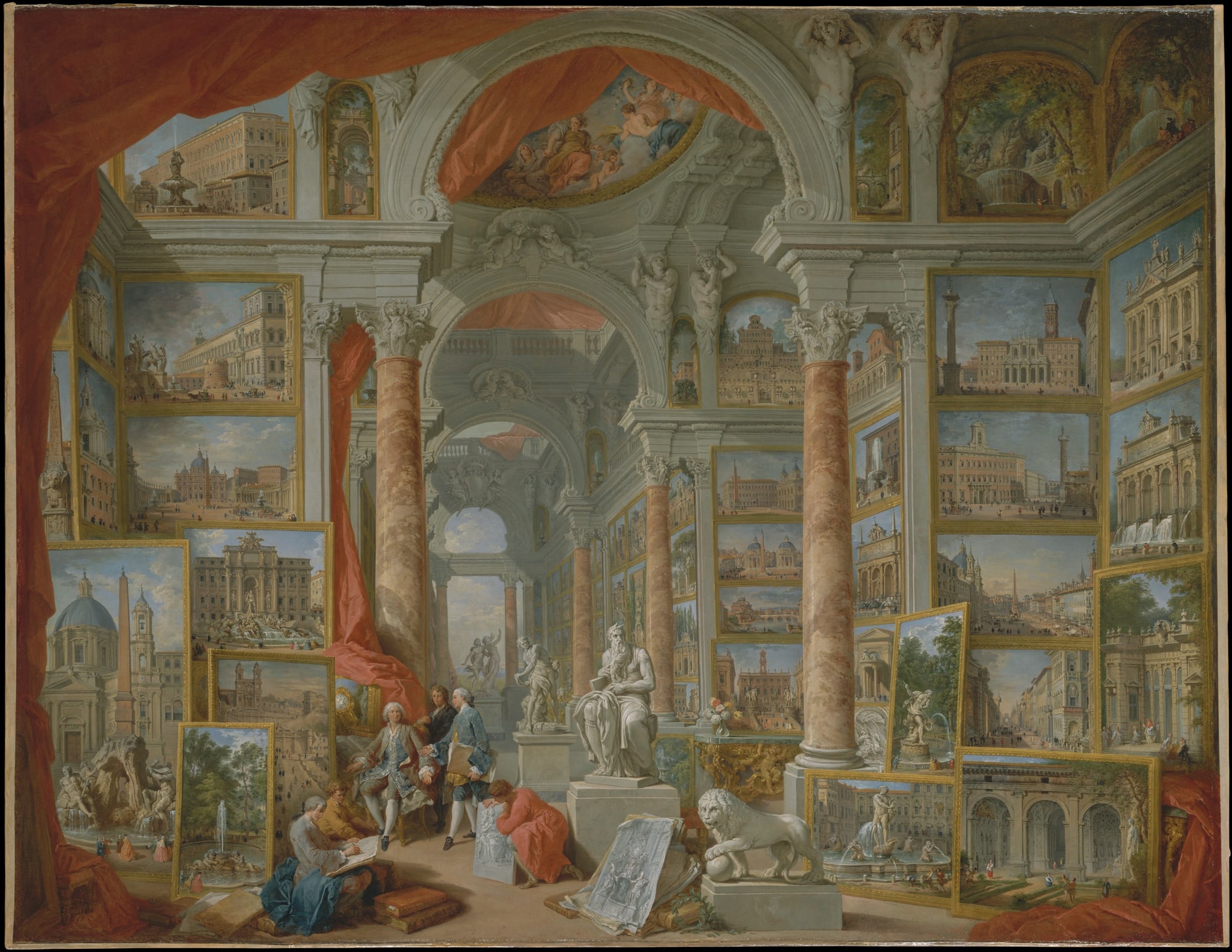
Where works pass between collectors, with the house present at every sale.
The Circle cannot be requested or bought. It opens the day your first work arrives.
Asked of the house.
Nothing. Your first work is your invitation.
Record the transfer in the ledger. 5% of the resale follows the work, 3 to the artist and 2 to the house, and the guarantee of authenticity passes to the new owner. A transfer that isn’t recorded breaks the chain of provenance for that work.